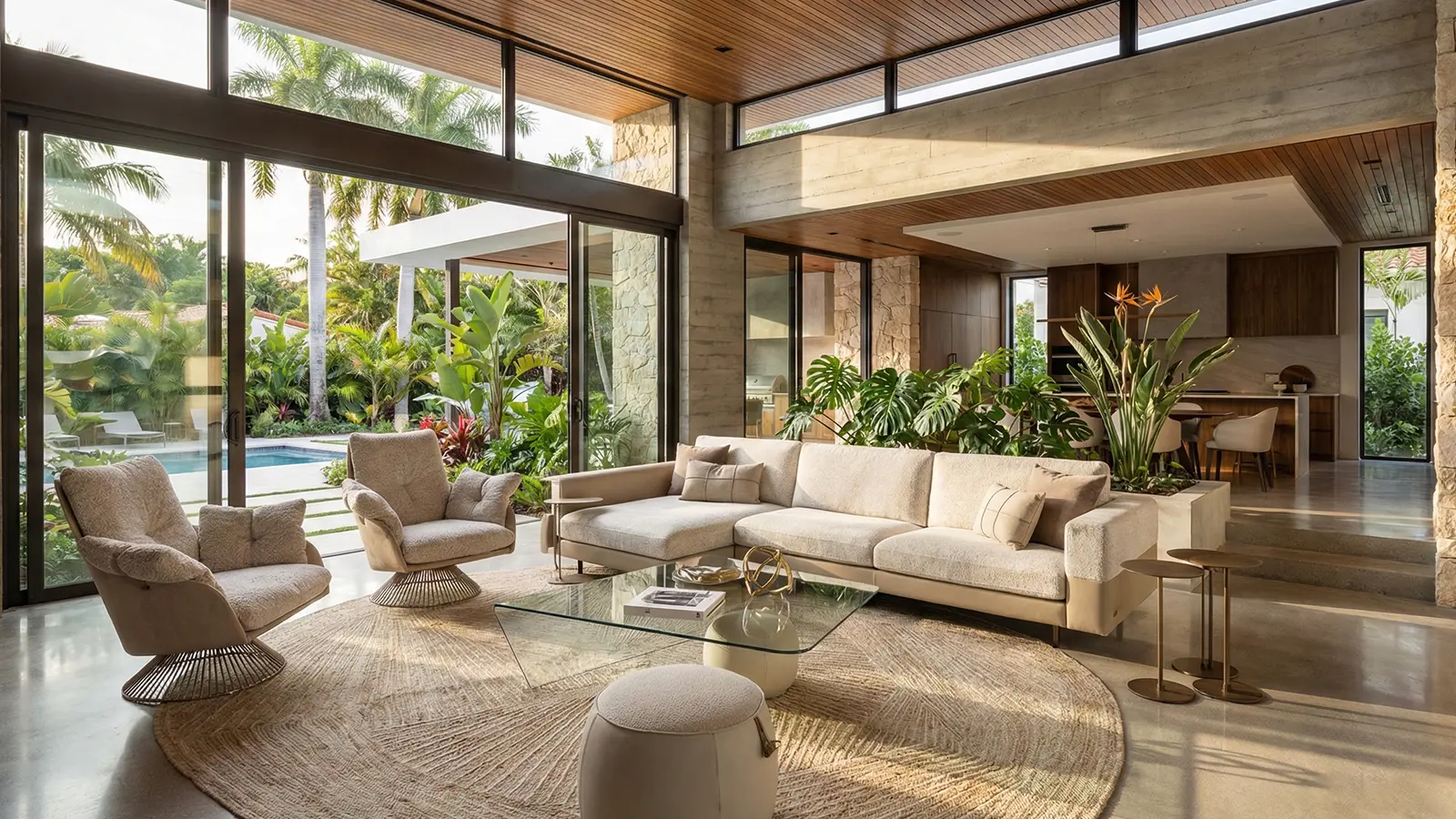
Italian furniture has long been associated with luxury, refinement, and enduring beauty. Today, those qualities remain, but the approach has evolved. The top Italian furniture trends for modern homes reveal a clear shift toward balance, innovation, and personalization.
Homeowners are no longer choosing furniture just for appearance. They want pieces that fit their lifestyle, enhance their space, and reflect a strong sense of style. Let's explore what defines modern Italian interiors today.
What Is Modern Italian Interior Design?
Modern Italian interior design is rooted in simplicity, proportion, and function. It values open space, natural light, and thoughtful layout. Rather than filling a room, modern Italian interiors focus on creating harmony.
Modern Italian furniture traces its roots back to a rich history of Italian craftsmanship, yet it feels distinctly current. Clean silhouettes, understated elegance, and precise detailing define this design direction. It's about achieving the perfect balance between aesthetics and daily use.
Every piece of Italian furniture is designed to match the rhythm of daily life without sacrificing sophistication. That's the foundation of modern Italian style.
The Rise of Contemporary Italian Furniture
Contemporary Italian furniture trends emphasize a blend of modernism, postmodernism, minimalism, transitional, art décor, and futurism. The result is bold yet refined. Italian contemporary furniture mixes textures, geometric shapes, and expressive forms while maintaining structure.
Unlike purely minimalist approaches, contemporary furniture today often introduces statement pieces and warmth that stand out within a neutral environment. Designers are experimenting with bold shapes while preserving elegance.
Customization is increasingly popular. Many Italian designers offer tailored finishes, dimensions, and configurations. This flexibility allows homeowners to create furniture that truly fits their space.
Minimalist Designs with Strong Identity
Minimalist designs remain one of the latest trends in furniture design. Modern Italian furniture is often minimalist, featuring clean lines and a sense of openness that allows more space to breathe.
Yet minimal does not mean plain. Contemporary pieces are crafted with impeccable craftsmanship and high-quality materials. Neutral colors, warm finishes, subtle textures, and sleek surfaces create a contemporary style that feels calm but intentional.
This clean approach works beautifully in modern spaces where light and flow are priorities.
Sustainable Luxury and Natural Materials
Sustainable luxury is shaping modern Italian furniture in powerful ways. Italian furniture brands are increasingly using eco-friendly materials such as bamboo, cork, recycled metals, and responsibly sourced wood.
Natural materials like ash, walnut, and cherry remain central. These wood varieties offer warmth and durability while maintaining elegance. Marble and glass continue to appear in tabletops and accents, reinforcing luxury without excess.
The use of quality materials is not just about beauty. Materials play a vital role in durability and comfort. Sustainable luxury reflects a commitment to high-quality materials that endure over time.
Italian furniture is all about quality, elegance, and premium materials, ensuring each piece maintains its aesthetic appeal for years.
Technology-Integrated Furniture for Modern Living
Modern Italian interiors are becoming smarter. Technology integration is one of the most practical trends in furniture design today.
Designers are creating pieces with hidden lighting systems and multifunctional features. Modern Italian furniture strikes an ideal balance between style and function by incorporating smart details seamlessly.
Multifunctional furniture is increasingly popular in urban homes. Side tables with storage, extendable systems, adaptable seating, and murphy beds/wall beds help maximize space efficiency.
These innovations enhance living spaces without disrupting the clean visual flow of the room.
While minimalism dominates, bold design still has a place. Contemporary Italian furniture blends sleek surfaces with sculptural shapes that act as statement pieces.
Italian sofas, for example, are focal points in the living room. Low profiles, soft curves, and luxurious upholstery deliver comfort without heaviness. These pieces create a sophisticated yet inviting atmosphere.
Geometric shapes are also trending. From lighting to tables, structured forms introduce subtle drama while maintaining balance.
The Role of Materials in Italian Furniture
Exceptional furniture is created with two key ingredients: design and materials. Italian furniture is synonymous with luxury, blending exquisite craftsmanship and functionality.
Leather remains a cornerstone, offering durability and softness that ages beautifully. Quality fabrics create softness with ease. Glass surfaces add refinement and openness. Metal elements provide contrast. Natural wood adds warmth and grounding.
New materials are also emerging. Designers are experimenting with innovative composites that reduce weight while preserving strength. The balance of traditional and new materials defines modern Italian style.
Styling Italian Furniture in Modern Homes
Italian furniture enhances the atmosphere of any room without compromising everyday usability. Whether in a living room, dining room, or outdoor area, the approach remains consistent: elegance without clutter.
In the dining room, a sculptural table paired with refined leather seating creates understated elegance. In the living room, contemporary pieces arranged around a focal point maintain flow and proportion.
Outdoor furniture is also gaining attention. Modern Italian outdoor furniture extends luxury beyond interior walls. Weather-resistant materials, modular systems, and clean finishes bring the same attention to detail outdoors.
The perfect blend of indoor and outdoor design creates continuity throughout the home.
Outdoor Living, Italian Style
Modern Italian outdoor furniture extends luxury beyond interior walls. Weather-resistant materials, modular systems, and clean finishes bring the same attention to detail outdoors, creating seamless continuity throughout the home.
What Type of Furniture Is Trending Right Now?
The latest trends show strong demand for:
- Minimalist designs
- Multifunctional contemporary furniture
- Sustainable luxury materials
- Sculptural statement pieces
- Smart, technology-integrated furniture
Modern Italian furniture continues to lead because it combines elegance, practicality, and innovation.
What Are the Best Italian Modern Furniture Brands?
The best Italian designers and brands are those that preserve Italian craftsmanship while embracing modern design. Leading brands focus on impeccable craftsmanship, customization, and the integration of technology.
Italian designer furniture embodies elite artistry developed over centuries. Investing in Italian furniture enhances your décor while showcasing appreciation for thoughtful design.
Final Thoughts
Modern Italian furniture reflects evolution without abandoning tradition. It draws from a rich history while embracing the needs of contemporary living.
The defining feature of Italian furniture today is balance. Balance between style and function. Between luxury and comfort. Between innovation and heritage.
Whether you are redesigning a single room or your entire space, modern Italian furniture offers a refined path forward. It allows you to create furniture arrangements that feel open, sophisticated, and timeless.
At Anima Domus, we curate modern Italian collections that embody quality materials, understated elegance, and forward-thinking interior design. Discover how Italian furniture can transform your modern spaces into environments that feel intentional, comfortable, and distinctly yours.