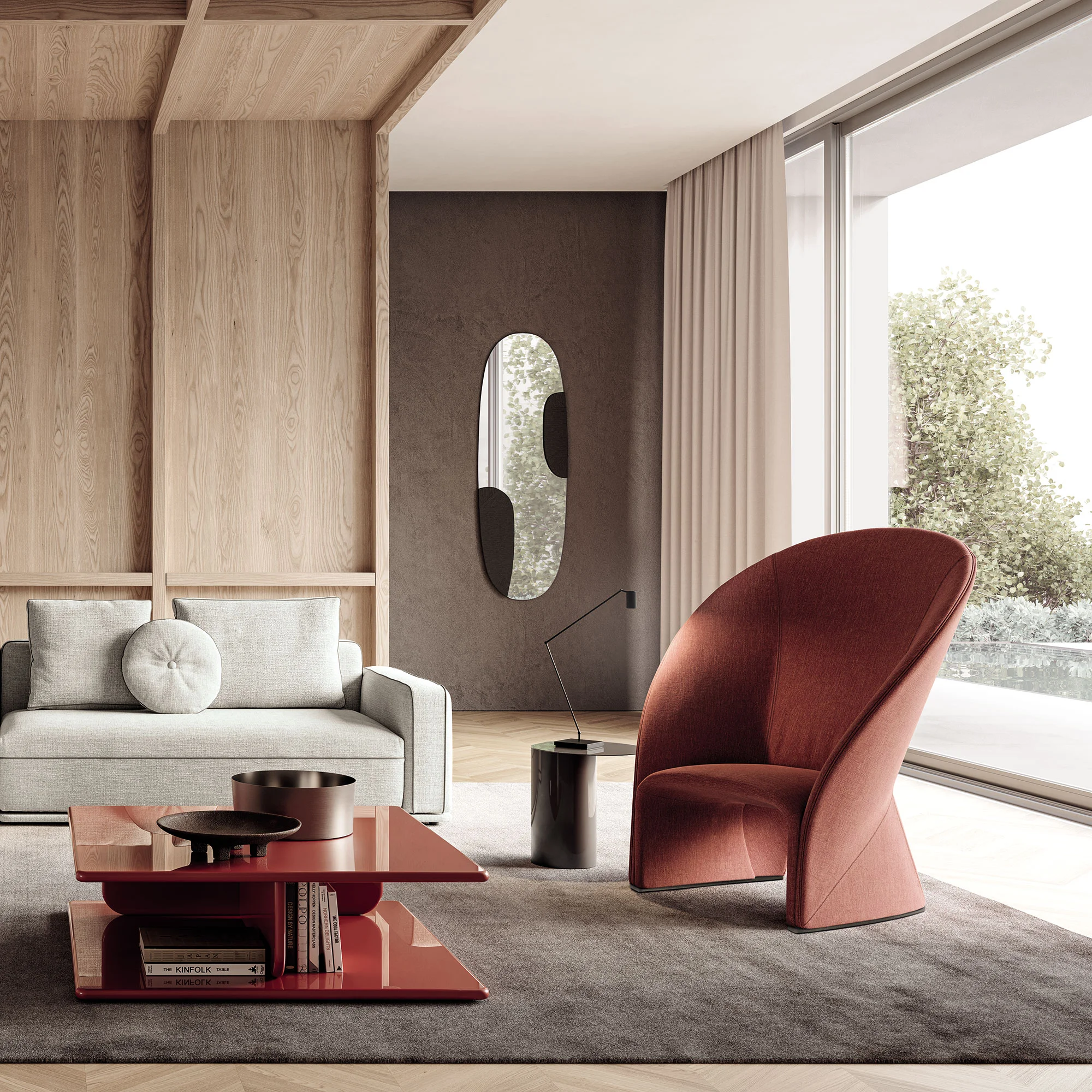
Expert Tips for Making a Statement Without Overwhelming the Space
Every well-designed room has a moment — a piece that stops you, that holds the eye, that makes the whole space feel intentional. Learning how to style a statement furniture piece without overcrowding a room is one of the most valuable skills in interior design. A statement piece should command attention without creating chaos. This guide covers the principles, common mistakes, and expert tips that make the difference between a room with presence and one that simply feels full.
What Qualifies as a Statement Piece?
A statement piece is any furniture that draws the eye and anchors the room around it. It does not have to be large — it has to have presence. A sculptural Italian sofa in a bold color. A dining table with an extraordinary base. A console in lacquered wood that catches the light from across the room. A statement piece qualifies when it defines the character of the space it inhabits.
Statement furniture works across all rooms: a dramatic bed frame in the bedroom, pendant lights over the dining table, an oversized artwork above a console in the hallway. What unites them is their role as a focal point — the element everything else in the room relates to.
Start With One Statement Piece
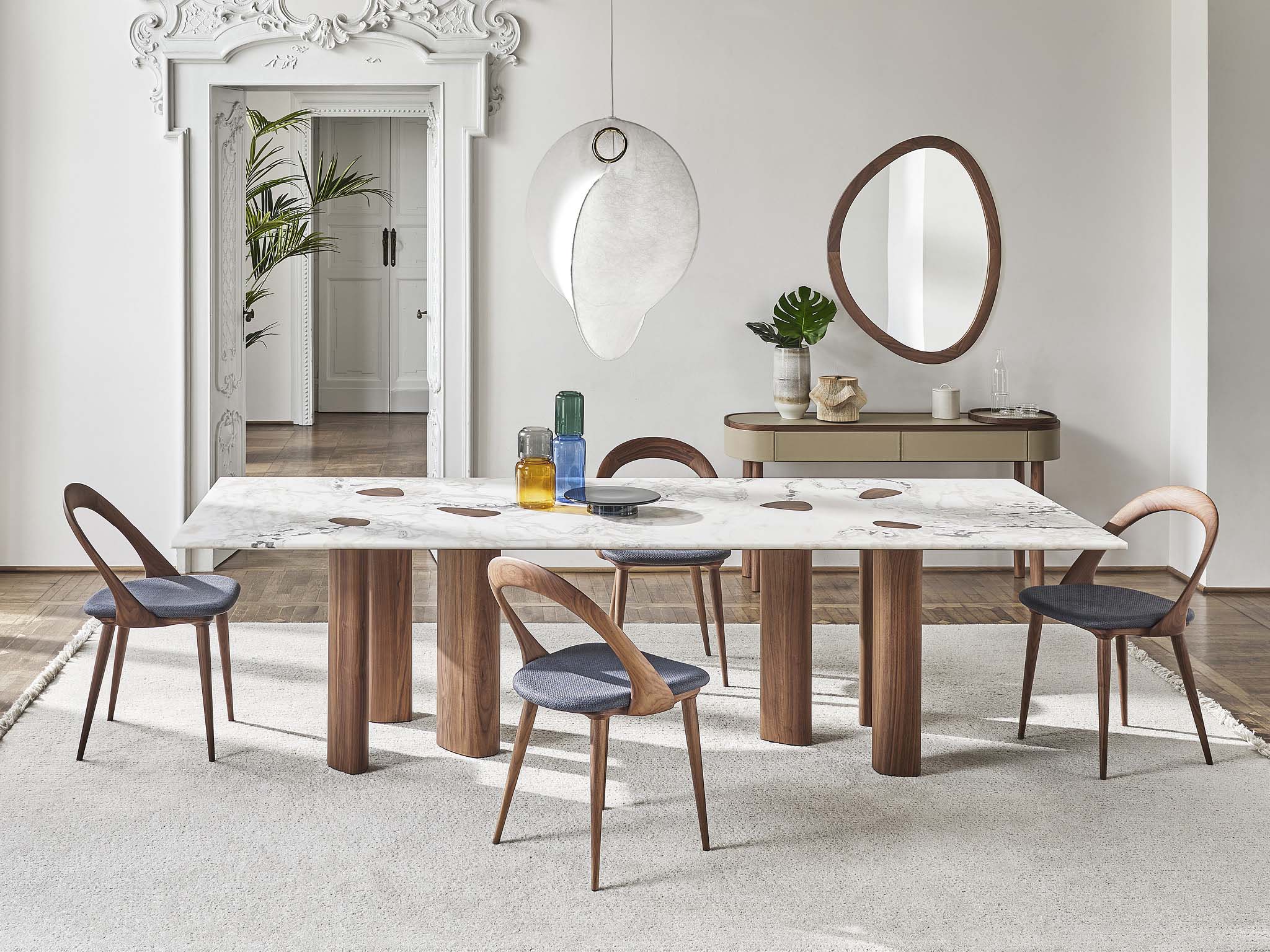
The most common mistake in styling a statement piece is trying to have more than one. When every piece competes for attention, none of them win. Choose one statement piece per room and build everything else around it. This is the essential discipline of interior design — restraint in service of impact.
In a small room, one statement piece is especially crucial. A bold color sofa or a sculptural coffee table can define the entire space without overcrowding it, provided the surrounding furniture steps back and gives it room to breathe.
Make It a True Focal Point
Position the statement piece where the eye naturally travels when entering the room — against the primary wall, centered under pendant lights, or anchored by an area rug that frames it from below. The focal point should be obvious: when someone walks in, they should see the statement piece first.
Lighting plays a crucial role. A floor lamp beside a sculptural sofa, pendant lights above a statement dining table, or a lamp positioned to graze the surface of a textured console all highlight the piece and enhance its presence. The right light makes a statement piece feel like it is always performing.
Keep the Surrounding Furniture Simple
A statement piece needs visual space as much as physical space. The furniture around it should be quieter: lower in profile, simpler in form, and more neutral in color. If the statement is a bold sofa, the coffee table should be understated — glass, simple wood, or a clean metal form. If the statement is an extraordinary dining table, the chairs should complement rather than compete — clean lines that echo the table's design language without matching it exactly.
Avoid crowding the statement piece with too many accessories. Throws, rugs, and decorative objects should support the statement, not surround it. Two or three considered accessories are always more powerful than a surface covered in decor.
Use Color and Tone Strategically
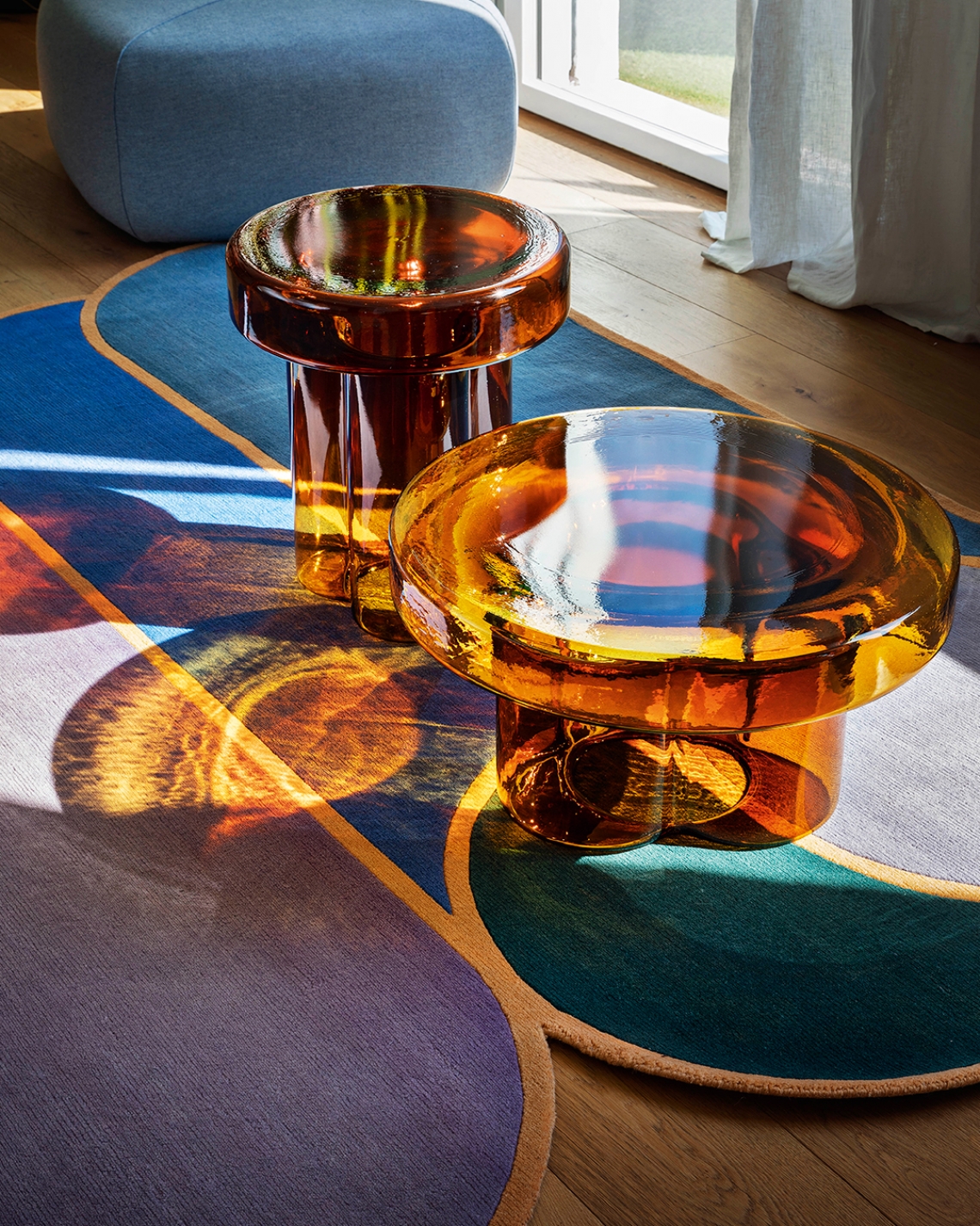
A neutral color palette on walls and surrounding furniture throws the statement piece into sharp relief — a dark wood console against a pale wall, a bold color sofa against a soft neutral backdrop. The contrast creates emphasis without requiring anything else to change.
Tone matters as much as color. Warm tones group naturally together — walnut wood, brushed brass metal, warm cream upholstery — creating a cohesive background against which a statement piece in a contrasting tone will stand out. Mixing warm and cool tones in the background creates visual noise that competes with the statement rather than supporting it.
Scale and Proportion
A statement piece must be correctly scaled for the room it lives in. A large sofa in a small room is not a statement — it is an obstruction. A delicate console in an enormous hallway disappears rather than commands. The statement piece should feel generous without overwhelming — substantial enough to anchor the room, contained enough to leave breathing room around it.
The 2/3 rule applies: a statement sofa should occupy roughly two-thirds of the wall behind it. Scale is the invisible foundation of every successful statement piece styling.
Pattern and Texture
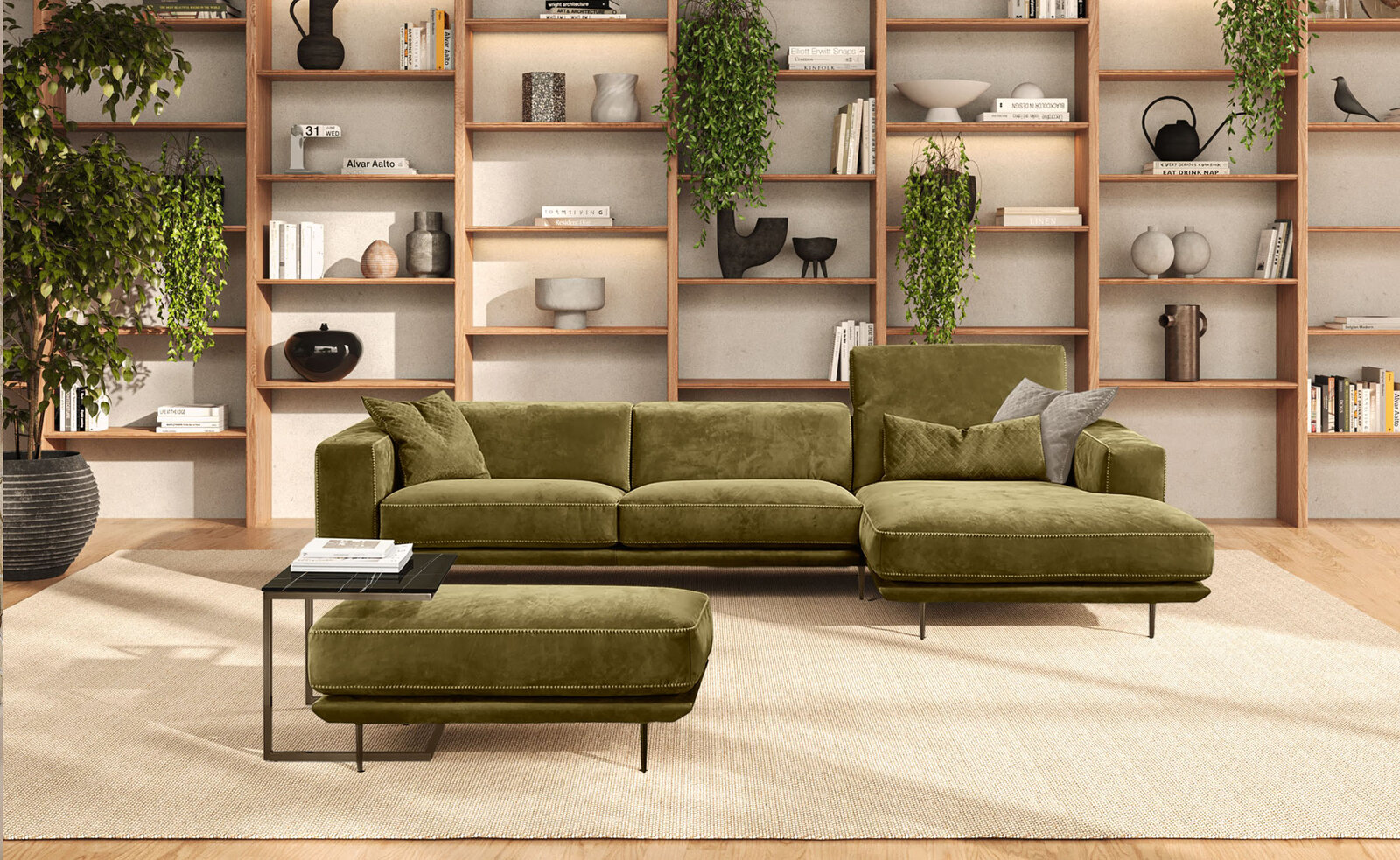
Pattern and texture add dimension to a statement piece without adding physical volume. An upholstered sofa in textured bouclé or a richly grained wood dining table carry visual interest that plain surfaces cannot. Use pattern in rugs to frame and support the statement, never to compete with it. A bold geometric rug under a simple statement table creates a layered composition that enhances rather than overwhelms.
Common Mistakes and Common Pitfalls to Avoid
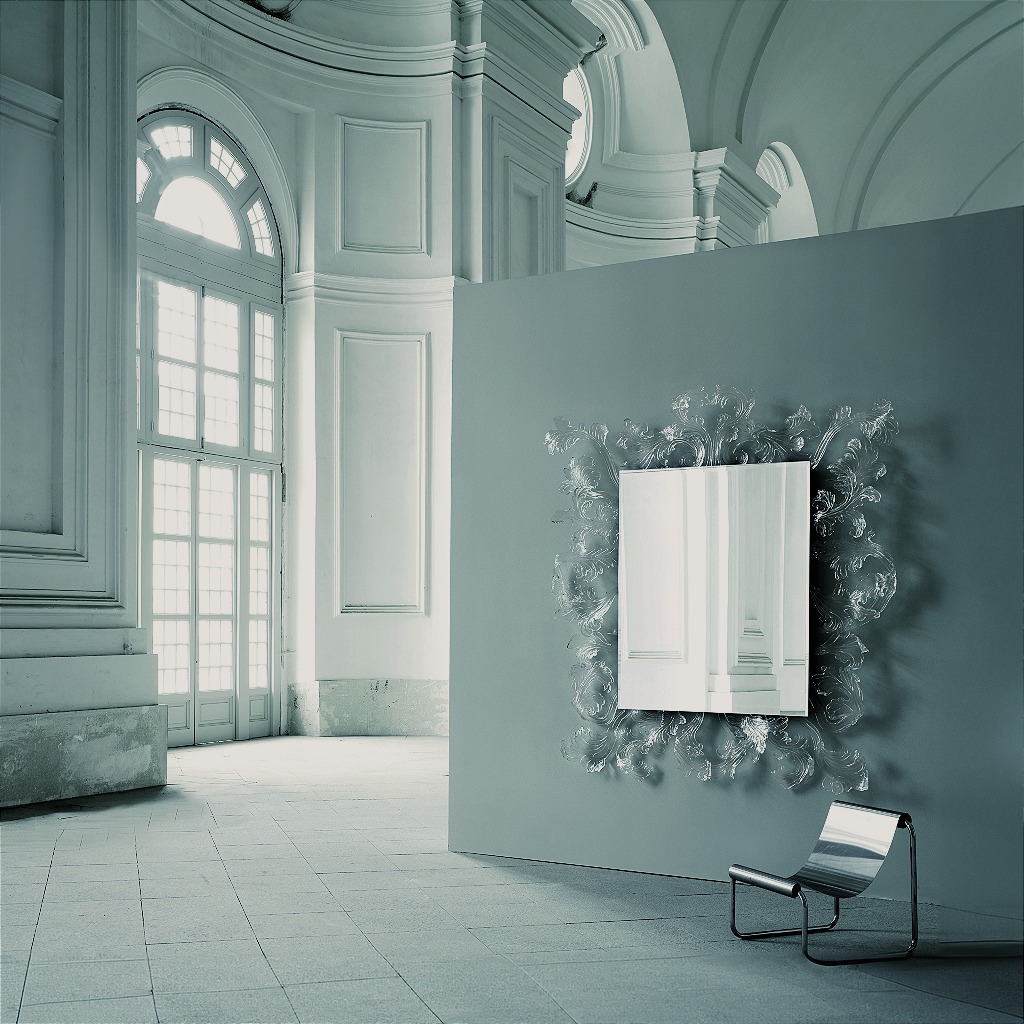
Overcrowding Around the Statement
Surrounding a statement piece with too much furniture is the most common pitfall. Every additional piece within direct sightline dilutes its impact. Edit ruthlessly — if a piece is not earning its place, remove it.
Failing to Leave Empty Space
Empty space is not wasted space — it is the breathing room that makes the statement visible. Failing to leave wall space, floor space, and visual clearance around a statement piece is one of the most common mistakes in interior design. The eye needs somewhere to rest before it travels to the focal point.
Choosing the Wrong Scale
A statement piece that is too large crowds the room. One that is too small disappears. Both are failures of proportion — always check dimensions before committing.
Matching Too Precisely
A statement piece should stand out from its surroundings, not match them. Matching furniture to a statement piece in the same material, color, and finish reduces it to just another piece in the room.
Statement Furniture at Anima Domus
The Italian furniture tradition produces statement pieces with genuine authority — pieces that anchor a room through proportion, material, and craft. At Anima Domus, our Aventura, and Boca Raton showrooms carry statement-level furniture from Cattelan Italia, Porada, Saba, Gamma, and Tom Dixon — each capable of defining a room on its own terms. Visit us to find the statement piece that belongs at the center of your home.
Explore our full range of statement Italian furniture at Anima Domus.
Frequently Asked Questions
FREQUENTLY ASKED QUESTIONS
The 2/3 rule states that key furniture pieces should occupy roughly two-thirds of the wall or space they relate to. A sofa should span two-thirds of the wall behind it; a coffee table should be two-thirds the length of the sofa; a rug should cover two-thirds of the seating area. Applied to statement pieces, this rule ensures they are large enough to anchor the room without overwhelming it.
The 3-5-7 rule guides the grouping of decorative objects in odd numbers — three, five, or seven — to create compositions that feel curated and dynamic rather than symmetrical. Around a statement furniture piece, this might mean three accessories on a console, five objects on a shelf, or seven elements in a gallery wall arrangement. Odd groupings feel natural; even groupings feel arranged.
The most common mistakes include pushing all furniture against the walls, using too many pieces of similar scale, overcrowding around a focal point, and failing to leave empty space for the eye to rest. Choosing furniture that is too large, or having too many statement-level pieces competing for attention, are equally frequent causes of a room feeling overwhelming.
The 3/4/5 rule is a proportion guide for creating visual balance: elements should relate to each other in ratios of 3, 4, and 5 — varying heights and scales so no two elements are the same. Applied to styling around a statement piece, it means the statement itself, the furniture around it, and the accessories should each occupy a distinct visual level, creating a dynamic and resolved composition.