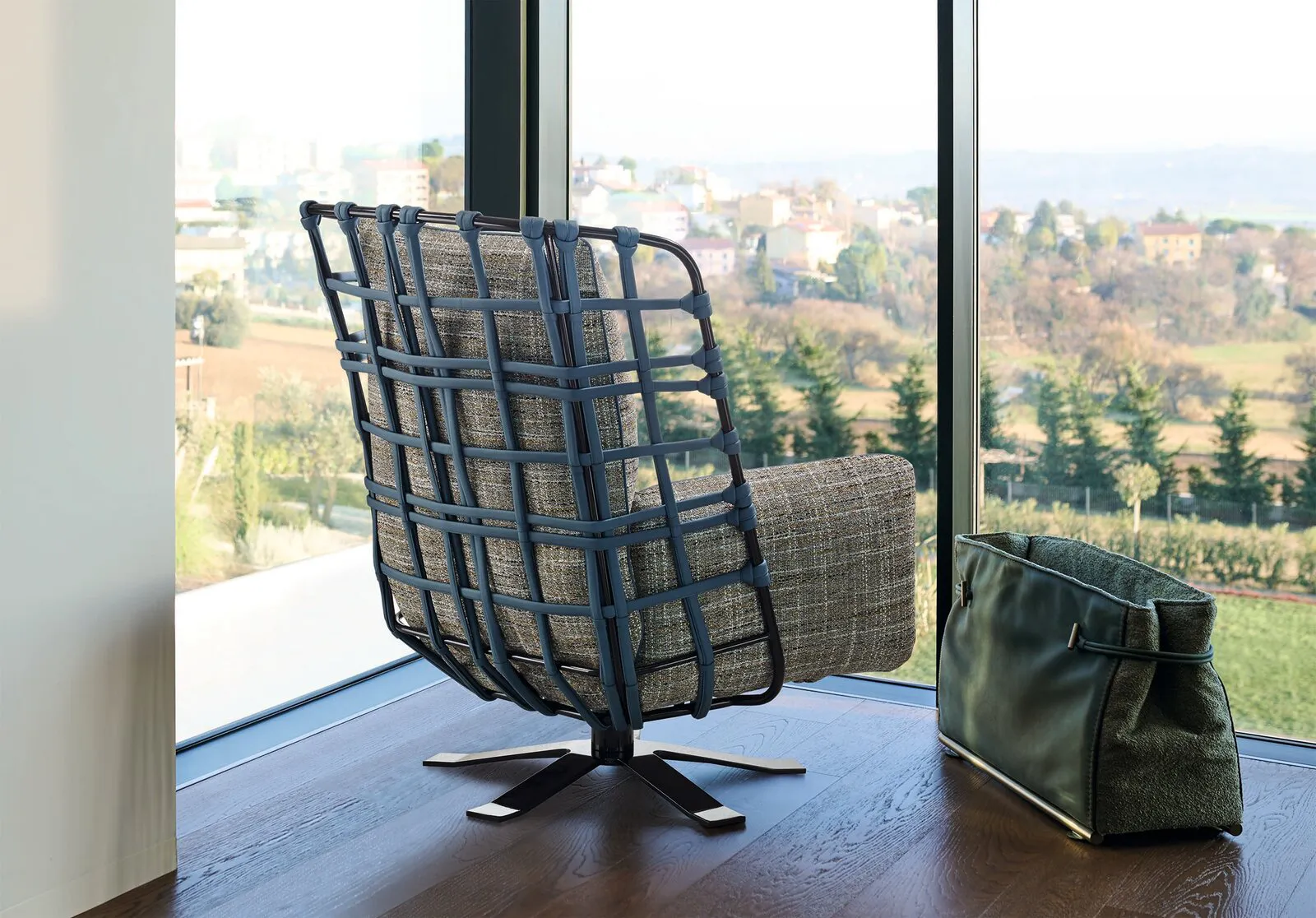
A Practical Guide to Mixing Materials for Harmonious and Contemporary Spaces
Knowing how to mix materials like wood, glass, and metal in interior design is one of the most valuable skills in creating spaces that feel considered, layered, and alive. Done well, mixing materials transforms a room from a collection of furniture into a complete and memorable experience. Done poorly, it produces visual noise. This guide covers the key principles, practical tips, and The Five Essential Materials that define contemporary interior design.
Why Mixing Materials Works
Mixing materials in interior design is about deliberately combining textures, finishes, and colors to create a cohesive yet dynamic environment — enhancing both aesthetic appeal and functionality. A space built around a single dominant material risks becoming monochromatic or uniform. Spaces gain a new dimension when different materials interact: the warmth of wood against the clarity of glass, the softness of timber against sleek metal. Each material offers unique characteristics, and the combination creates areas of visual and sensorial richness that a single material alone cannot achieve.
The Five Essential Materials


Wood: Warmth, Texture, and Timeless Appeal
Wood brings warmth to any interior. As a natural element with grain, color variation, and tactile depth, wood adds texture and a sense of organic life to spaces that might otherwise feel hard or clinical. Modernity wood introduces — particularly in the form of Canaletto walnut, natural oak, and other noble timbers — is a refinement of its heritage rather than a departure from it. Wood-metal combinations are among the most enduring in contemporary design precisely because they balance each other so completely.
Mixing wood with other key materials is also where sustainability enters. The use of certified and recycled wood, reclaimed materials, and responsibly sourced wood addresses environmental concerns while adding genuine character. Reclaimed materials carry a history that new materials cannot replicate — a distinctive signature in unique and sophisticated projects.
Glass: Lightness, Transparency, and Space
Glass introduces lightness into an interior. Glass materials contribute visual openness — glass expands the perceived volume of a room, reflects natural light, and dissolves visual boundaries between spaces. Glass tabletops over wood metal bases are a classic combination that works because glass responds to light in ways wood and metal cannot.
In contemporary spaces, glass shower enclosures and reused glass panels are used not just functionally but as design elements. Glass brings transparency where opacity would feel heavy, making it essential in creating flexible spaces and harmonious and contemporary spaces that breathe.
Contemporary glass design has expanded far beyond clear panes. Today, glass comes in a stunning range of finishes — fumed and bronze-tinted glass casts warm, moody tones; marble-painted glass introduces painterly elegance; and hammered glass adds texture and diffuses light in ways that feel entirely unique. These variations allow glass to function as a statement material in its own right, not just a supporting element. Brands like Glas Italia and Lago, both part of the Anima Domus collection, are at the forefront of this movement — producing designer glass pieces that redefine what this material can bring to an interior.
Metal: Structure, Precision, and Industrial Edge
Metal accents define the character of a room. Whether matte black chair legs on a walnut dining table, gold hardware on cabinetry, or sleek metal light fixtures above a kitchen island, metal delivers precision and an industrial edge that wood and glass alone cannot provide. Metal legs on upholstered seating bridge soft and hard materials, giving furniture a visual lift while anchoring it to the floor.
The choice of metal finish matters enormously. Matte black reads as graphic and contemporary. Brushed brass or brushed bronze brings warmth that complements wood and metal combinations. Chrome is cooler, more clinical — suited to industrial environments and a more contemporary interpretation of modern design. The metal finish you choose becomes a cohesive color palette element that runs through the room, connecting different materials through repetition.
Fabric: Softness, Comfort, and Tactile Warmth
Fabric is the material that transforms a room from visually interesting to physically inviting. Upholstery, curtains, cushions, and rugs introduce softness and acoustic warmth that hard materials simply cannot provide. Linen, velvet, bouclé, and wool each carry distinct personalities: linen brings an understated, relaxed elegance; velvet adds depth and luxury; bouclé offers tactile richness; and wool grounds a space with natural warmth. When layered thoughtfully alongside wood, glass, and metal, fabric prevents interiors from feeling cold or sterile. A linen sofa against a walnut frame, or a wool rug beneath a glass coffee table with metal legs, creates the kind of balanced, livable space that feels both designed and deeply comfortable.
Leather: Richness, Durability, and Refined Character
Leather brings a sense of maturity and craftsmanship to interior spaces. Its natural variation in grain and tone means no two pieces are identical, making it a material that deepens in character over time. In a mixed-material context, leather pairs exceptionally well with metal — a leather-upholstered chair with blackened steel legs is a classic of contemporary Italian furniture design. It also softens the precision of glass and the organic density of wood. Full-grain leather anchors a space visually, acting as a bridge between warmer and cooler elements. Whether used on seating, headboards, or accent pieces, leather communicates quality and longevity, making it an essential consideration when designing a space that is meant to feel both sophisticated and enduring.
Key Principles for Mixing Materials

Establish a Primary Material and Build Around It
Every well-designed space has a dominant material — the one that sets the tone for everything else. Combine wood, glass, and metal around a single primary material: let the others play supporting roles. To ensure a focal point is effective, build the rest of the material palette around it, allowing other elements to support the narrative and create cohesive visual impact. A beautifully crafted wooden table as the centerpiece of a contemporary living room, for example, lets metal accents and glass surfaces serve it rather than compete with it.
Achieve Balance and Contrast
Achieving balance while creating contrast is essential in mixing materials. Pairing sleek metal with a rough wood surface creates a striking contrast that draws attention without overwhelming the space. Large, heavy materials should be balanced with lighter ones — glass tabletops lighten wood metal bases; metal legs reduce the visual mass of an upholstered sofa. The combination creates areas of visual balance that make the room feel resolved.
Maintain a Cohesive Color Palette
A cohesive color palette fosters unity, enabling the diversity of textures and finishes to harmonize effortlessly. Different textures and different materials can coexist provided their tones remain consistent. Warm-toned woods should pair with warm metals — brushed bronze rather than chrome. A harmonious combination always comes back to color: it is the thread that makes mixing materials feel intentional rather than accidental.
Avoid Monochromatic or Uniform Spaces
The risk of restraint is monotony. Spaces built entirely around a single material — all-wood rustic styles or all-metal industrial environments — can feel one-dimensional. The goal is not to avoid a dominant material but to complement it with subtle accents that add visual interest without undermining the room's own identity. Even in a minimal contemporary interior design scheme, a single glass element or metal accents is enough to prevent the space from feeling flat.
Sustainability and Mixing Materials
Contemporary interior design increasingly integrates sustainable materials — certified and recycled wood, reclaimed materials, reused glass — to address environmental concerns and add depth and character. Sustainable design emphasizes environmentally responsible materials, enhancing the character of a space and contributing to a more ethical approach. Choosing sustainable materials influences aesthetics and functionality while playing a crucial role in the durability and longevity of the space.
Can You Mix Wood and Metal Together?
Absolutely. Wood metal is one of the most visually appealing and enduring combinations in modern design. Wood brings warmth and natural texture; metal delivers precision and an industrial edge. Together they create spaces where beauty and functionality coexist elegantly — remaining relevant across rustic styles, contemporary spaces, and everything in between.
Mixing Materials at Anima Domus
The Italian furniture tradition is built on the disciplined mixing of materials — Canaletto walnut alongside glass, ceramic alongside metal, leather alongside stone. At Anima Domus, our Miami, Aventura, and Boca Raton showrooms carry collections from Porada, Cattelan Italia, Lago, and Glas Italia — makers who have made this their defining strength. Visit us to explore how wood, glass, and metal can create spaces that reflect your personal style.
Explore our full range of Italian furniture at Anima Domus.
FREQUENTLY ASKED QUESTIONS
A good rule of thumb is to work with three to five materials in a single space. Too few and the room can feel monotonous; too many and it risks feeling chaotic. Choose one primary material as the anchor — typically wood or stone — and let the others play supporting roles. The key is intentional repetition: if you introduce a metal finish in one place, echo it elsewhere so the space feels cohesive rather than accidental.
Yes — and in fact, mixing warm and cool materials is one of the most effective ways to create visual balance. Warm materials like wood, leather, and bronze-toned metal bring comfort and approachability, while cool materials like glass, chrome, and stone add crispness and sophistication. The secret is to maintain a unified color palette so the warm and cool elements feel related rather than in conflict. For example, a walnut dining table (warm) paired with matte black metal chairs (cool) and a glass pendant light (cool) works beautifully because the dark tones unify all three.
Wood and metal is one of the most enduring combinations in contemporary design. The key is contrast: pair the organic grain and warmth of wood with the precision and cool finish of metal. A walnut tabletop on a blackened steel base, or an oak shelving unit with brushed brass hardware, are classic examples. Choose a metal finish that complements the wood tone — warm-toned woods like walnut and teak pair naturally with gold, brass, and bronze, while lighter woods like ash or beech work well with matte black or silver-toned metals.
The key is layering fabric strategically rather than overloading a space. Start with one larger upholstered piece — a sofa, an armchair, or a bed — in a textured but not overpowering fabric like linen or bouclé. Add secondary fabric through rugs, curtains, and cushions, keeping the palette tonal and cohesive. Contrast fabric softness with harder materials: a linen sofa looks airy and light when positioned against a glass wall or on an exposed concrete floor. Lightweight fabrics and open weaves will keep the space feeling fresh rather than heavy.
Yes. When too many different materials compete for attention without a unifying logic, a space loses visual coherence. A common sign of material overload is a room that feels busy or unresolved despite containing high-quality individual pieces. To avoid this, limit your palette to three to five materials maximum, ensure at least one color or tone runs consistently through them all, and allow each material a clear role — primary, secondary, or accent. Restraint is a design virtue: a space built around a few materials used confidently will always feel more sophisticated than one where every surface tells a different story.