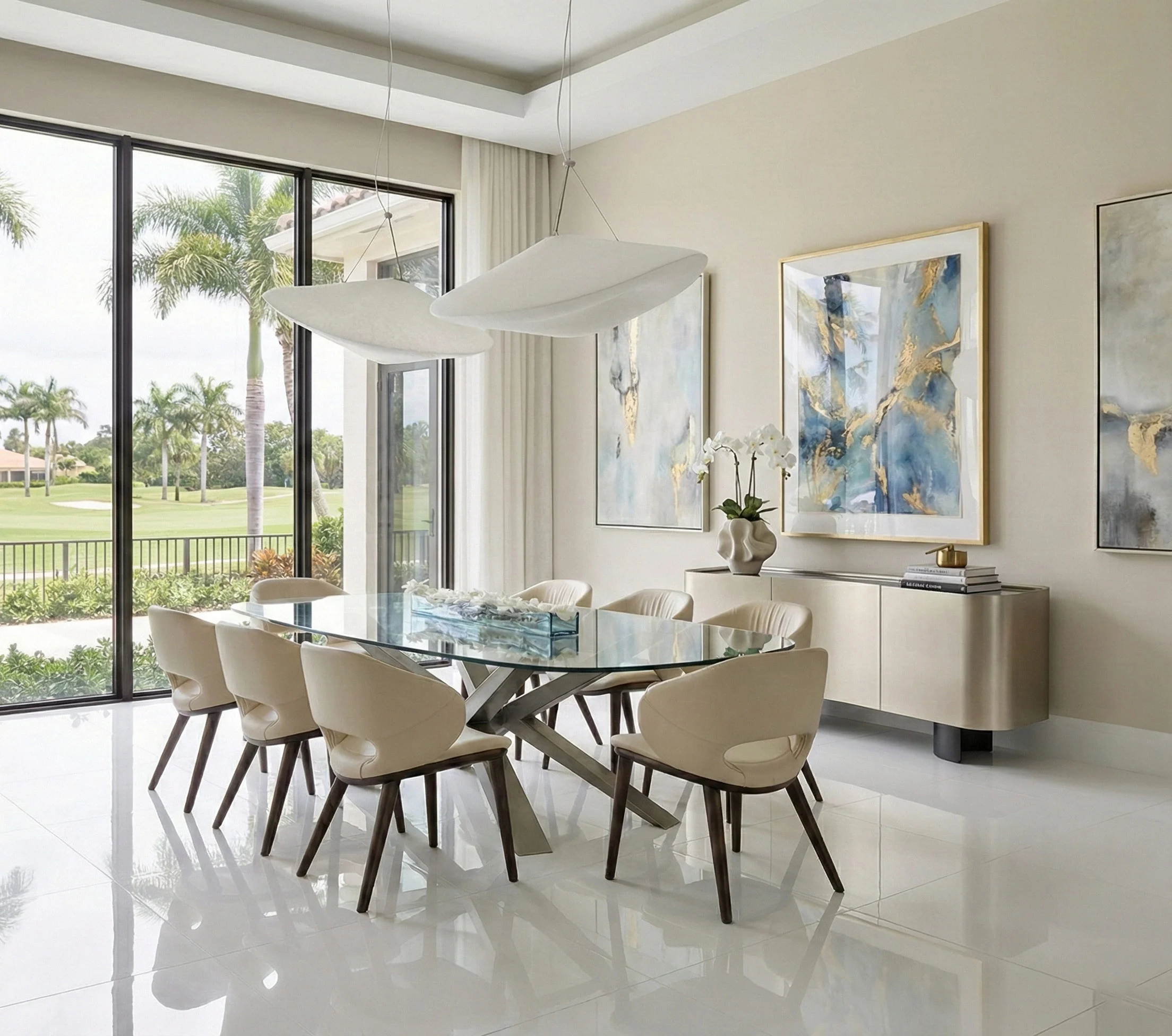
Choosing high-quality Italian furniture is never just about filling a room. It's about shaping how you live, how you move, and how you feel in your space. When done thoughtfully, Italian furniture brings balance, warmth, and a sense of purpose that lasts for generations. This guide explains how to choose Italian furniture for your home with confidence, clarity, and intention.
How Does Italian Design Shape the Look and Feel of Your Home?
To embrace Italian design is to embrace a philosophy of intentionality. It is an aesthetic rooted in restraint, where every element—from the sweep of a silhouette to the texture of a finish—is chosen to contribute to a larger sense of visual harmony. Rather than crowding a room, Italian design focuses on proportion and the inherent beauty of the materials themselves.
Whether your preference leans toward the storied charm of traditional craftsmanship or the bold clarity of contemporary forms, the impact on your living space is transformative. The Italian approach relies on "honest" finishes: the tactile warmth of solid wood, the visible complexity of natural grain, and a sophisticated tonal palette of neutral, grounded hues. These elements work in concert to create depth and a quiet, enduring luxury that never feels forced.
The interaction with light is equally vital. Italian interiors are designed to breathe, utilizing natural light to highlight the sculptural presence of each furniture piece. This creates an environment that feels both open and profoundly grounded, a balance that functions beautifully across both historic residences and modern architectural spaces.
Understanding Italian Furniture Styles
Italian furniture spans centuries of craftsmanship. Understanding the difference between traditional Italian furniture and contemporary Italian furniture will help you choose what fits your lifestyle.
Traditional Italian Furniture
Traditional Italian furniture celebrates history and artistry. It often features rich woods, hand-applied wood finishes, and intricate carved details. Decorative accents such as gold leaf appear frequently, adding depth without overpowering the room.
These traditional Italian pieces focus on classic elegance, enduring appeal, and furniture that feels permanent. A dining table crafted from natural wood, paired with matching chairs, becomes a lasting focal point in the dining room. This type of furniture is designed to be passed down to future generations.
Contemporary Italian Furniture: The Poetry of Precision
On the other hand, contemporary Italian design focuses on the luxury of simplicity. Here, you will find clean silhouettes, subtle architectural curves, and a modern aesthetic that feels calm and highly intentional.
The evolution of contemporary Italian design is driven by a restless pursuit of material innovation, where cutting-edge technology meets the timeless tactility of luxury. The pioneering use of treated glass, specialized metals, and ethically sourced Italian leathers defines these modern icons.
This side of Italian design favors modern style, blending innovation with tradition.
Italian Design and Craftsmanship
At the heart of Italian furniture is Italian craftsmanship. This tradition is built on patience, precision, and pride in furniture making. Italian artisans and skilled artisans focus on proportion, balance, and attention to detail at every stage.
Many pieces are still meticulously crafted by hand, using premium materials and luxurious materials sourced responsibly, including eco-friendly materials. This commitment to craftsmanship excellence is what separates quality Italian furniture from mass-produced alternatives.
True Italian design does not rush. It does not cut corners. Every joint, surface, and seam matters.
How to Identify High-Quality Italian Craftsmanship
True quality reveals itself through the intentional selection of materials and the precision of their application. When evaluating a piece, look for these markers of expert engineering:
- Purposeful Material Selection: High-quality furniture is defined by using the right material for the right task. Look for sculptural solid wood in elements that require structural strength or complex curves, such as chair frames or table legs. Conversely, look for premium veneers on large surfaces like wall units, sideboards, and tabletops; these are engineered to remain stable over time, resisting the warping or cracking that can occur with solid wood in changing climates.
- Aesthetic Precision: On veneered pieces, inspect the grain matching. Master Italian makers will often carefully "book-match" or sequence veneers to create a seamless, flowing visual pattern that would be impossible to achieve with solid timber alone.
- Structural Integrity: Regardless of the material, joints should be tight and seamless. Look for reinforced joinery and balanced proportions that ensure the piece feels substantial and stable.
- The Tactile Experience: In upholstered elements, the leather should feel supple and responsive, while metal components should have a consistent finish and a deliberate weight.
- Thoughtful Detailing: Examine the "hidden" areas—the undersides of tables or the interior of cabinets. Consistency in finish and assembly in these areas is the hallmark of a manufacturer who does not cut corners.
Living Room

The living room sets the tone for the entire home. An Italian sofa often acts as the central statement piece and visual anchor—whether you gravitate toward the masterfully upholstered leather collections from Gamma or the poetic, high-texture fabric designs of Saba. Look for plush sofas that offer both architectural presence and deep comfort.
To complete the space, balance the sofa with complementary tables or refined case goods from Sangiacomo, utilizing natural wood or lacquered finishes to create a cohesive flow within your living spaces.
Dining Room
In the dining room, the table is the protagonist. Traditional designs often favor generous proportions and ornate, hand-carved detailing that makes the piece feel like a historical anchor. Conversely, modern masterpieces—such as the sculptural solid wood tables from Porada or the gravity-defying, transparent designs from Lago—play with architectural contrast and sleek materiality. Regardless of the style, the goal is to pair the table with seating that echoes its material language, ensuring the room's fluid harmony remains intact.
Bedroom and Beyond


Bedrooms benefit from calm, grounded choices that prioritize rest. Look for Italian furniture pieces that support a tranquil environment without excess, such as the innovative and space-optimizing systems from CLEI. In these spaces, clean silhouettes, warm finishes, and subtle detailing matter far more than overt decoration.
Italian Furniture Brands and Makers

What distinguishes the world's most respected Italian furniture brands is that they are, at their core, master manufacturers. Unlike companies that outsource production, these houses maintain complete control over the entire lifecycle of a piece—from the initial design concept to the final hand-finish. This vertical integration ensures that the original vision of the designer is never diluted by third-party manufacturing.
These brands represent a lineage of Italian makers who have preserved artisanal traditions while evolving through modern technology. By operating their own facilities, they can guarantee the integrity of every joint, the sourcing of every hide, and the precision of every veneer.
At Anima Domus, we curate collections from these vertically integrated houses—celebrated brands such as Porada, CLEI, Gamma, Saba, Lago, and Sangiacomo—that serve as their own manufacturers. This direct connection to the craftsmanship is what allows us to offer furniture with an uncompromising standard of excellence and a true "Made in Italy" pedigree.
What Are the Top 10 Italian Furniture Brands?
While preferences vary by style, the most respected Italian furniture brands share common values: material integrity, thoughtful design, and long-term durability. Brands represented by Anima Domus, including industry leaders like Gamma and Porada, reflect these standards and offer curated collections that suit both traditional Italian and contemporary homes.
Latest Trends in Italian Furniture
Current trends focus on restraint and purpose. Neutral finishes, mixed materials, and flexible layouts dominate. Modern designs often incorporate contemporary elements while maintaining timeless proportions.
Sustainability also matters more than ever. Many Italian manufacturers now emphasize responsible sourcing and eco-friendly materials without compromising beauty.
Making the Final Choice

Choosing Italian furniture means thinking long term. Consider how each piece supports your daily life. Does it feel natural in your space? Does it complement your existing color palette? Does it enhance your unique style?
Italian furniture offers more than visual appeal. It supports function, comfort, and meaning. When chosen carefully, it becomes part of your story.
At Anima Domus, we believe furniture should feel effortless. From luxury Italian furniture to refined traditional Italian furniture, our curated selection of imported Italian furniture helps you create spaces that feel balanced, personal, and enduring.
Because the right furniture doesn't just fill a room. It shapes the way you live.
Ready to discover how to choose the right Italian furniture for your home? Visit one of Anima Domus's showrooms today to explore our curated collections firsthand. Experience the craftsmanship, feel the quality materials, and find the perfect pieces that reflect your personal style and elevate your living space. Our experts are here to guide you every step of the way, ensuring your home is furnished with timeless Italian elegance that lasts a lifetime.
FREQUENTLY ASKED QUESTIONS
Italian furniture stands apart through its commitment to craftsmanship, material integrity, and intentional design. Each piece is built with precision, using premium materials and artisanal techniques passed down through generations.
Traditional Italian furniture features rich woods, hand-carved details, and classic elegance designed to last generations. Contemporary Italian furniture favors clean silhouettes, innovative materials, and a modern aesthetic that blends simplicity with luxury.
Look for purposeful material selection, precise grain matching on veneers, tight and seamless joinery, supple leather or quality upholstery, and consistent finishing even in hidden areas like cabinet interiors or table undersides.
Anima Domus curates collections from vertically integrated Italian manufacturers including Porada, CLEI, Gamma, Saba, Lago, and Sangiacomo—all of which produce their furniture in-house, ensuring uncompromising quality and a true "Made in Italy" standard.
Many leading Italian manufacturers now prioritize responsible sourcing and eco-friendly materials without sacrificing beauty or durability. Sustainability is an increasingly central value in modern Italian furniture production.
Modern or contemporary Italian furniture focuses on clarity. Clean silhouettes, minimal ornamentation, and thoughtful function define this side of Italian design. You’ll notice clean lines, balanced proportions, and neutral colors that feel calm and architectural.
While traditional styles lean toward ornament, contemporary pieces highlight space and structure. Many designs rely on high-integrity woods, premium leathers, and precise engineering rather than surface decoration. Whether a piece utilizes a sculptural solid frame or a meticulously stable, premium-veneered surface, the focus is on material honesty. The result is furniture that feels intentional, practical, and comfortable—achieving luxury through refinement rather than excess.
Both styles reflect the same foundation: Italian furniture blends sophistication with innovation in a way few traditions can match.
Italian furniture stands at the pinnacle of global craftsmanship because it seamlessly weaves artisanal tradition with forward-looking design. This prestige is the result of centuries of mastery, shaped by generations of technical ingenuity and the stewardship of dedicated family lineages.
Authentic Italian makers still use traditional joinery such as mortise and tenon joints and dovetailing. Many pieces are hand-finished, with stain and lacquer applied in multiple coats. That process gives depth, protection, and character.
Italian designers also prioritize usability. Their pieces are not only visually appealing but practical and comfortable for daily life. This balance of beauty and function is why Italian furniture is often seen as a symbol of both quality and status.
Selecting the perfect pieces requires a deep awareness of proportion and flow. Because many Italian designs are born from a European architectural context, they often emphasize a "lean" elegance that maximizes space without sacrificing presence.
Start by assessing the architecture of your room. Measure carefully to ensure a natural "breathing room" around each piece, allowing for effortless movement. If you entertain frequently, consider the versatility of an extendable dining table; if your living area is your sanctuary, prioritize a modular sofa that can adapt to your lifestyle.
However, you don't have to navigate these decisions alone. At Anima Domus, we offer complimentary space planning services to help you visualize how each piece will live in your home. Our expert consultants are here to guide you through dimensions, finishes, and configurations, ensuring that your selection isn't just beautiful—it is a perfect fit for your floor plan and your lifestyle. By blending your vision with our technical expertise, we help you create a space that feels curated, balanced, and entirely yours.
The distinction of premium Italian furniture lies in the integrity and treatment of its timber. Leading makers utilize high-grade hardwoods—such as Walnut, Oak, and Ash—selected not only for their beauty but for their structural resilience.
In the hands of master manufacturers like Porada, the choice between solid wood and veneer is a deliberate engineering decision. For sculptural elements—like a complex chair arm or a fluid table base—solid wood is utilized for its strength and ability to be carved into organic shapes. For expansive surfaces like tabletops or wall units, premium veneers are used. These are meticulously sliced from the finest sections of the heartwood, allowing for a perfectly controlled grain and a stable surface that will not warp or crack as environmental humidity shifts.
When evaluating quality, look for:
- Advanced Wood Treatment: High-end Italian wood is seasoned and treated to ensure it remains stable for decades, regardless of the climate.
- Artisanal Veneering: Quality veneers should display a continuous, "book-matched" grain that showcases the natural beauty of the timber in a way solid wood cannot.
- Material Honesty: Genuine leathers, premium stones, architectural metals, and hand-finished woods that feel substantial and "alive" to the touch.
At its core, Italian furniture is built using high-integrity materials because longevity is not just a feature—it is a promise.
Authenticity matters when investing in Italian furniture. Look for documentation such as a Certificate of Origin and, when applicable, designer signatures. Labels indicating Made in Italy confirm that production occurred in Italy.
Reputable Italian furniture brands also provide transparency about manufacturing processes and materials. Authentic Italian makers continue to use traditional joinery and hand-finishing techniques.
If a piece claims Italian heritage but lacks documentation, it is worth asking further questions before purchasing.
While Italian design is the global authority on contemporary luxury, its true strength lies in its architectural adaptability. Its clean lines and material honesty allow it to serve as a sophisticated foundation for a wide range of modern and eclectic aesthetics.
Contemporary Italian pieces are often used to introduce structure and restraint into more storied or ornate environments, providing a sense of modern relevance without clashing with existing architectural details. The key is the shared language of proportion and material integrity. When the finishes and tones are chosen thoughtfully, a contemporary Italian piece feels intentional and timeless in any high-end interior.
Current trends emphasize simplicity, sustainability, and adaptability. Neutral palettes remain popular, along with natural finishes that showcase wood grain. Extendable tables, modular seating, and multifunctional pieces such wall beds reflect evolving lifestyles.
Many Italian furniture brands now offer customization options, allowing clients to tailor dimensions, finishes, and upholstery. This ensures furniture meets both spatial requirements and personal taste.
Despite trends, the core values remain the same: craftsmanship, material integrity, and timeless design.
Proper maintenance is essential to preserving the artistry and integrity of your investment. Because high-end Italian furniture utilizes specialized, master-applied finishes, the goal is to protect the material without using invasive products.
For wood pieces:
- Dusting: Dust weekly with a soft, dry microfiber cloth to prevent buildup.
- Cleaning: For deeper cleaning, use only a slightly damp cloth with a solution of water and a drop of mild, pH-neutral soap. Always wipe in the direction of the grain and dry immediately with a soft cloth.
- What to Avoid: Do not apply commercial wood polishes or waxes, as these create a dulling buildup that can ruin the original finish. Strictly avoid harsh chemicals, ammonia-based products, or abrasive cleaners.
- Climate Control: Maintain a steady indoor temperature and humidity level to support the natural integrity of the timber and prevent expansion or contraction.
For upholstered and leather pieces:
- General Maintenance: Rotate cushions and pillows regularly to ensure even wear and maintain the piece's architectural silhouette.
- Leather Care: Use specialized leather conditioners to maintain suppleness and prevent the hide from drying out.
- Professional Care Schedule professional cleaning for high-use items to ensure the materials age gracefully over time.
Consistent, gentle care is the key to longevity. By respecting the material honesty of each piece, your Italian furniture will maintain its elegance for decades.
Italian furniture is more than décor. It represents heritage, precision, and thoughtful design. When made with solid wood, genuine leather, and expert joinery, it offers durability that extends beyond short-term trends.
Because of its craftsmanship and materials, Italian furniture holds long-term value. It is built not just for today, but for future generations.
When chosen carefully and maintained properly, it becomes a lasting part of your home’s story.