Proper Furniture Care to Keep Your Italian Pieces Looking Their Best
Italian furniture is an investment in craftsmanship, materials, and the way a room feels over years of daily life. Proper furniture care is what protects that investment. With the right approach to regular cleaning, gentle maintenance, and timely attention to spills and wear, your Italian furniture will retain its timeless elegance and appeal for decades. This guide covers essential furniture care tips for every material: wood furniture, leather furniture, upholstered furniture, and outdoor pieces.
Why Furniture Care Matters for Italian Design
High end furniture made by Italian craftsmen is built to last — but only with correct and proper care. Italian design relies on exceptional materials: solid wood with hand-applied finishes, genuine leather developed through continuous research, fine fabrics, and lacquered surfaces. Each material responds differently to cleaning products, humidity, and light exposure. Proper furniture care preserves both the aesthetics and structural integrity of cherished pieces built to last for generations.
Wood Furniture Care
Dust Regularly
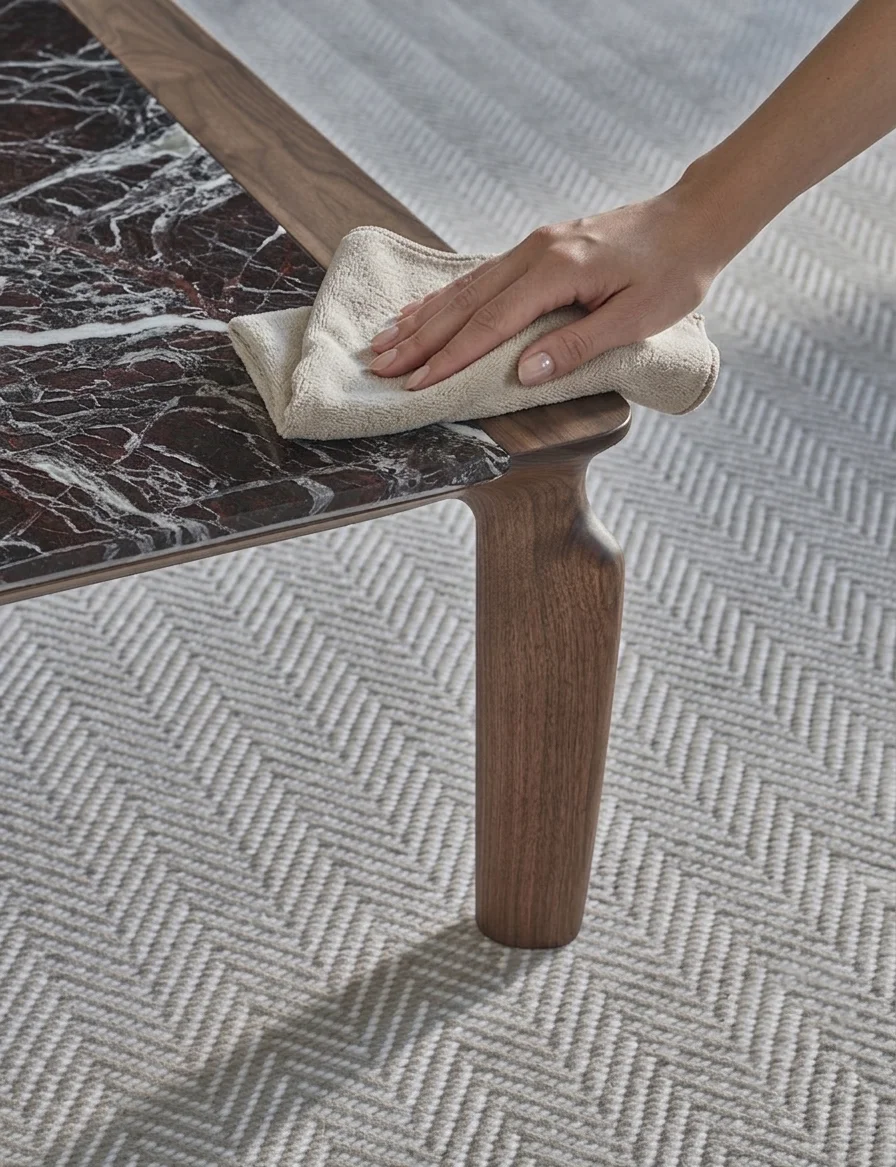
To keep your wood furniture looking its best, dust regularly with a soft cloth or a soft brush attachment on a low-suction vacuum. Dust build up on wood surfaces scratches finishes over time. Always wipe in the direction of the grain.
Avoid Harsh Chemicals and Direct Heat
Italian wood finishes are hand-applied and delicate. Avoid harsh chemicals, abrasive cleaners, and solvents. Use protective pads under decorative items at all times.
Avoid Direct Sunlight
UV rays cause wood finishes to fade. Position wood furniture away from windows where direct sunlight hits, or use sheer curtains to diffuse light. Consistent humidity levels also matter — fluctuations cause wood to expand and contract, leading to cracking or loosened joints.
Deeper Cleaning for Wood Surfaces
For deeper cleaning, use a damp cloth — lightly moistened, never wet — with a mild soap solution. Immediately dry with a dry cloth to avoid water rings on wooden surfaces.
Water Rings and Stubborn Stains
Address water rings promptly with a lint free cloth and mild cleaning solution — always blotting, never rubbing. For persistent stains or further damage, seek professional cleaning rather than risk damaging the wood finishes with DIY attempts.
Leather Furniture Care
Regular Cleaning
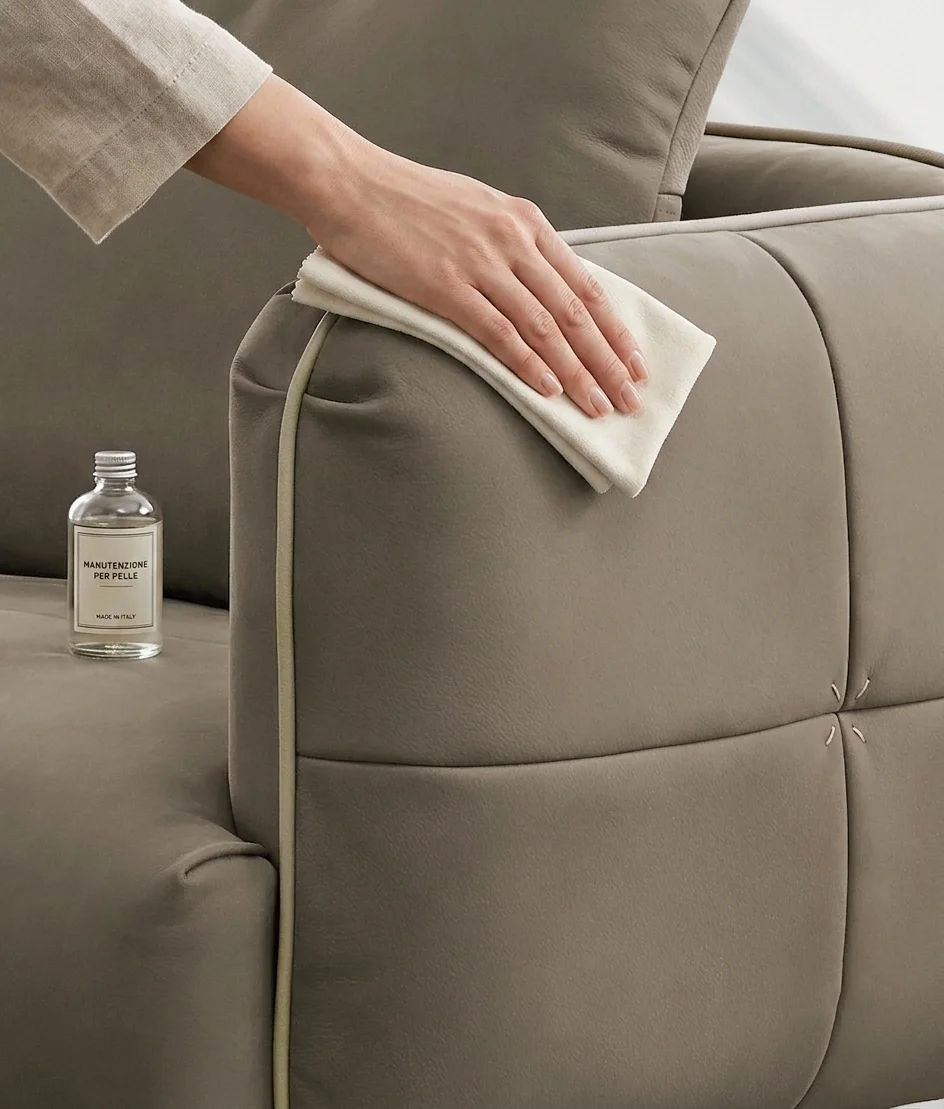
Wipe leather furniture with a soft cloth regularly. For deeper cleaning, use a leather specific cleaner on a damp cloth, then buff dry. Avoid harsh chemicals — they strip natural oils and cause cracking.
When spills occur, blot spills immediately with an absorbent cloth. Avoid rubbing — it spreads the spill and pushes it deeper into the surface. Blot gently from the outside inward, then allow to air dry.
Avoid Sharp Objects
Sharp objects scratch leather permanently. Regularly inspect surfaces for loose screws or structural issues that could cause uneven wear.
Upholstered Furniture Care
Remove Dust with a Soft Brush Attachment
Use a soft brush attachment on a low-suction vacuum to remove dust from upholstered furniture. Work gently across the fabric, paying attention to seams where dust accumulates.
Rotate Cushions
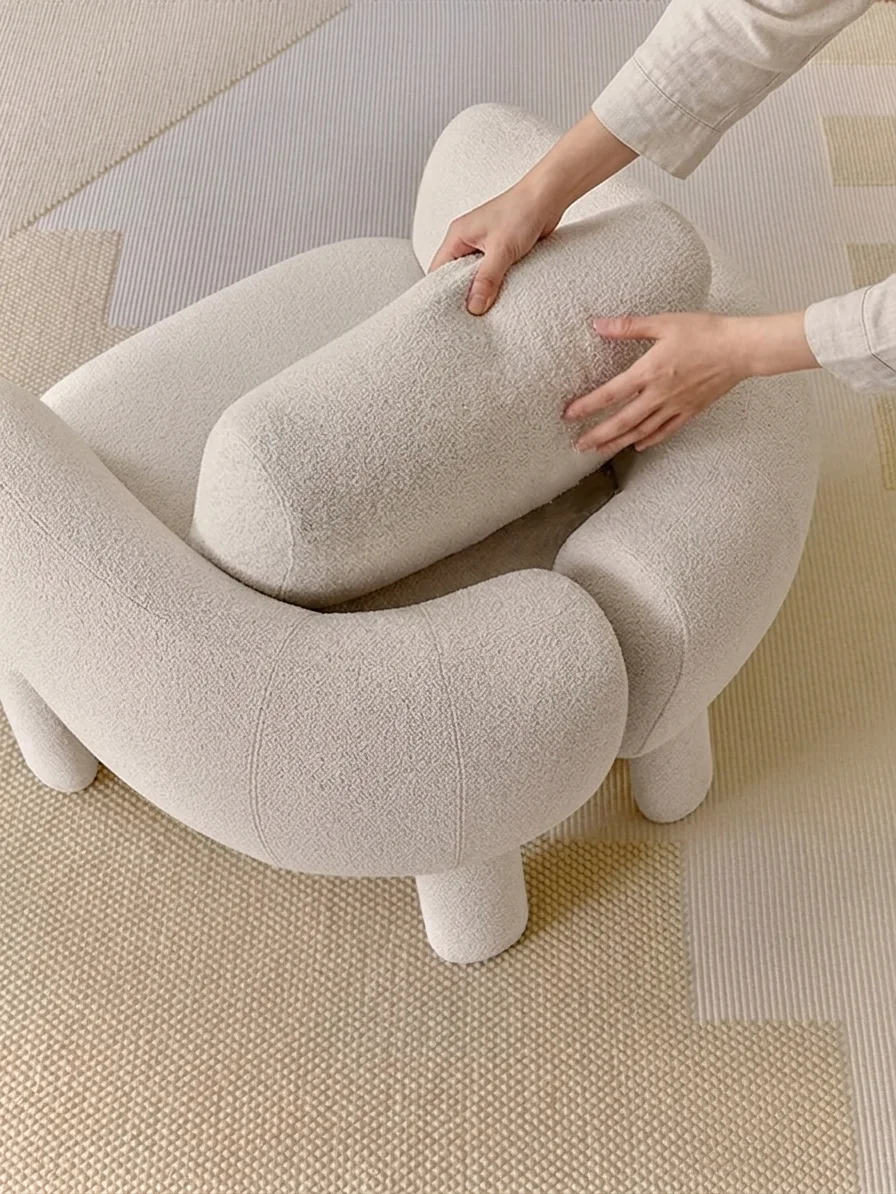
Rotate cushions regularly for even wear. This simple habit extends the life of upholstered furniture and keeps your furniture looking balanced. Fluff cushions after each use to maintain their shape.
Blot Spills — Never Rub
Blot spills immediately with a clean absorbent cloth. For stubborn stains, apply a mild detergent solution with a damp cloth, blot gently, then follow with a dry cloth. For persistent stains on delicate materials, professional cleaning is the safer choice. Damp upholstery left unventilated can encourage mold growth — always dry thoroughly after deeper cleaning.
Outdoor Furniture Care
Regular Cleaning
Keep your outdoor furniture looking its best with regular cleaning using mild soap and a damp cloth or soft brush. This matters especially in South Florida conditions — sun, salt air, and humidity are demanding on all materials.
Dry After Rain
Immediately dry outdoor furniture after rain. Standing water accelerates corrosion and damages wood finishes. A dry cloth applied promptly protects the protective coating on outdoor surfaces.
Protect from UV Rays
Position outdoor furniture under shade where possible or use UV-protective covers when not in use. Avoid harsh chemicals on outdoor surfaces — mild soap and water applied with a soft brush is the correct approach for most materials, including cases of mold growth on outdoor upholstery.
General Furniture Care Tips
- Dust regularly with a soft cloth to prevent build up that scratches finishes
- Blot spills immediately — speed prevents permanent stains
- Avoid direct sunlight — UV rays degrade every material over time
- Follow manufacturer's guidelines — care instructions vary by finish
- Rotate cushions for even wear on all upholstered pieces
- Regularly inspect for loose screws and structural wear
- Seek professional cleaning for exquisite pieces with stubborn stains
Caring for Italian Furniture at Anima Domus
Proper maintenance is truly part of the relationship between a well-made piece and the person who lives with it. Italian leather deepens with age. Solid wood develops character. Lacquered finishes hold their precision with regular care. At Anima Domus, our knowledgeable design team can advise on the specific care instructions for any piece in our Aventura and Boca Raton showrooms.
Explore our full range of Italian furniture at Anima Domus.
Frequently Asked Questions