news|Contemporary vs Classic Furniture: What’s the Difference
main-image

Contemporary vs Classic Furniture: What’s the Difference

By Anima Domus News-May 11, 2026

If you've ever asked yourself what the difference is between contemporary and classic furniture, you're in good company. While these two styles are often discussed together, they represent very different philosophies regarding proportion, materiality, and the narrative of a home.

Understanding the distinction between contemporary innovation and traditional forms will help you choose the right style for your lifestyle and your long-term vision.

Defining the Classic Aesthetic

Classic furniture is rooted in historical movements, drawing inspiration from European eras of the 18th and 19th centuries. These pieces reflect established principles of symmetry and heavy ornamentation.

Traditional furniture often includes:

  • Intricate carvings and ornate sculptural details
  • Rolled arms on upholstery
  • Curved lines and decorative cabriole legs
  • Polished wood surfaces in deep tones

This style emphasizes a decorative and expressive approach to craftsmanship. While traditional furniture celebrates heritage and visual weight, it is a specific choice for those who wish to maintain a formal, historical atmosphere in their home.

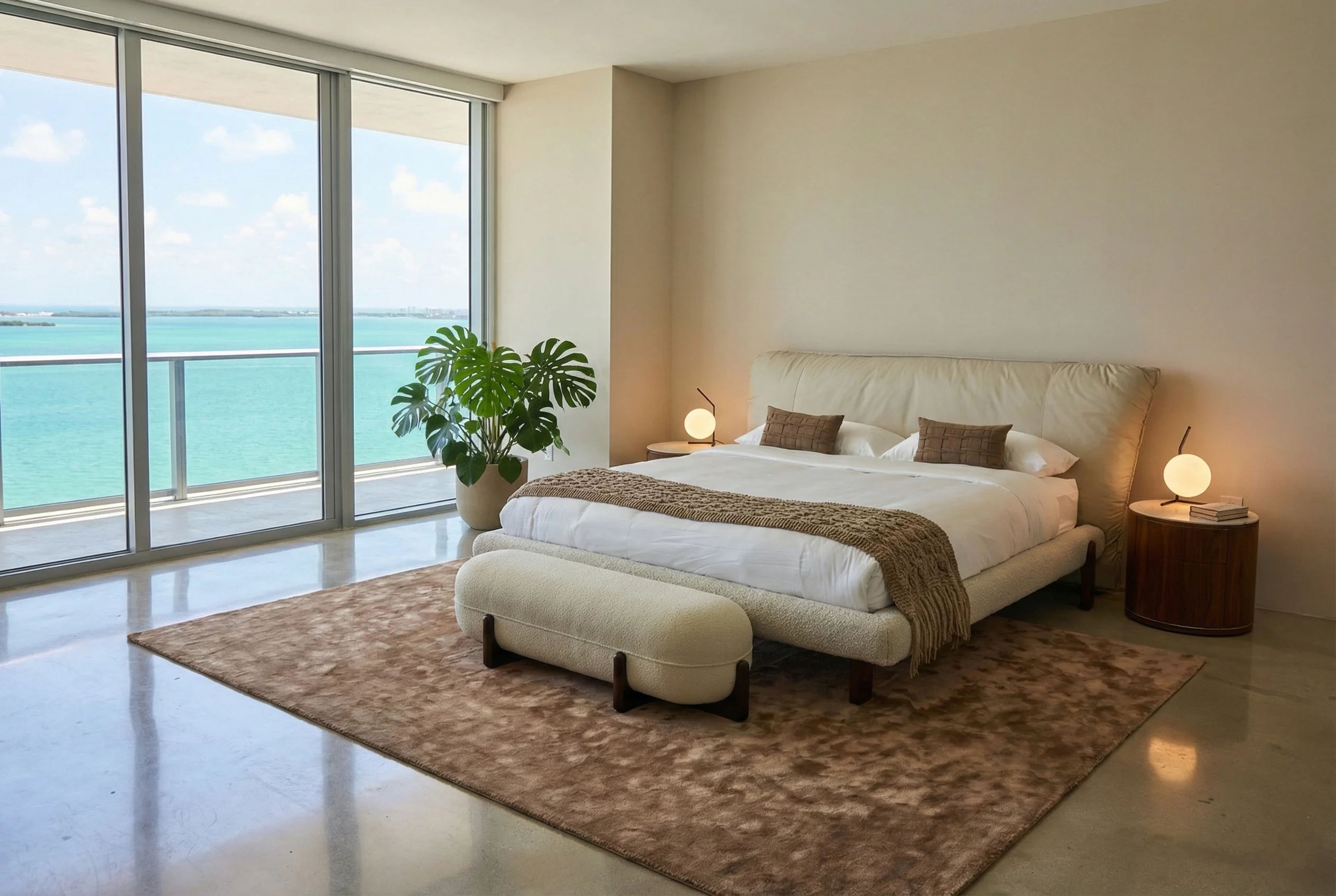
Contemporary living room with floor-to-ceiling windows and ocean view in Miami

The Meaning of Contemporary Design

While classic furniture looks to the past, contemporary furniture defines the timeless elegance of the present. The word contemporary describes the design language of today—it is an evolving, adaptive aesthetic that prioritizes clarity and restraint.

Contemporary style focuses on:

  • Sleek silhouettes and clean, architectural lines
  • A sophisticated palette of neutrals, including sand, taupe, and stone
  • Open forms that allow a room to breathe

Where traditional furniture relies on decorative depth, contemporary design strips away the excess to reveal the beauty of the materials themselves. A sofa with tailored upholstery and a low-profile silhouette is a hallmark of this style. These pieces utilize high-end materials—such as high-performance ceramic tops for dining tables, prized for their striking visual depth and ease of use—alongside warm natural materials like Walnut or Ash.

In a luxury home, contemporary furniture works exceptionally well because it emphasizes light, openness, and movement, providing a sense of calm that is both modern and enduring.

Where Does Modern Furniture Fit In?

The word "modern" is often used interchangeably with contemporary, but they are distinct. Modern furniture refers to a specific movement born in the 20th century that prioritized "honest materials" and usability over decoration.

Rather than sitting between the classic and contemporary worlds, modern furniture styles live firmly within the contemporary sphere. This period was defined by legendary icons such as Mies van der Rohe and Oscar Niemeyer, whose works introduced organic shapes and balanced proportions that still dictate the contemporary luxury standards we see today.

Contemporary Italian furniture materiality and craftsmanship at Anima Domus

Materiality and the Art of Choice

Your choice of style directly affects the energy of your living spaces. In contemporary furnishing, the goal is to refine character through material honesty.

At Anima Domus, we move beyond standard definitions. We believe that the most sophisticated contemporary pieces are also meticulously crafted. In our showrooms, you will find contemporary dining tables featuring hand-finished wood bases and architectural metals. These designs utilize a mix of materials to create a sense of flexibility that works beautifully across all scales—from urban penthouses to sprawling South Florida mansions.

How contemporary furniture design shapes and opens living spaces

How Furniture Design Shapes Living Spaces

Contemporary pieces are designed to create visual space. Their clean lines and neutral colors allow rooms to breathe, making furniture design about flow rather than mere ornament.

While traditional pieces anchor a room with structure, contemporary pieces allow for a more adaptable lifestyle. This is particularly essential in large-scale living spaces, where a streamlined, oversized contemporary sofa creates a sense of effortless luxury without the visual "clutter" that traditional styles can sometimes introduce.


FREQUENTLY ASKED QUESTIONS

Classic furniture draws from 18th and 19th century European traditions, featuring ornate carvings, curved lines, and heavy ornamentation. Contemporary furniture prioritizes clean silhouettes, neutral palettes, and material honesty—an evolving aesthetic designed for how we live today.

Not exactly. Modern furniture refers to a specific 20th-century design movement focused on honest materials and function over decoration, pioneered by figures like Mies van der Rohe. Contemporary furniture is a broader, evolving category that builds on those principles and reflects current design sensibilities.

Contemporary furniture often combines high-performance materials like ceramic tabletops with warm natural materials such as Walnut or Ash wood, architectural metals, and tailored upholstery. The emphasis is on quality, durability, and visual refinement.

Yes—contemporary furniture is especially well suited to large-scale spaces. Its clean lines and open forms create a sense of flow and effortless luxury, avoiding the visual heaviness that traditional styles can introduce in expansive rooms.

Anima Domus showrooms offer a curated selection of contemporary Italian furniture, from hand-finished dining tables to tailored sofas, designed to suit everything from urban penthouses to large South Florida homes.

Contemporary design favors a sophisticated neutral base—think sand, taupe, and charcoal—layered with subtle tonal shifts. Instead of heavy patterns, you will see monochromatic schemes that allow the architecture of the furniture to stand out.

Contemporary pieces incorporate a mix of architectural metals, glass, and warm woods like Walnut, Oak, or Ash. Ceramic tops are also a preferred choice for dining because they combine a luxurious aesthetic with exceptional durability and ease of use for the modern home.

Absolutely. At Anima Domus, we offer a number of hand-crafted contemporary furniture options. There is a misconception that only traditional furniture is handmade; however, our collections are artisanally produced to ensure that even the sleekest designs possess the durability and unique character associated with master-level craftsmanship.

Modern and contemporary furniture prioritize usability and adaptability. They are designed to support evolving lifestyles, offering streamlined silhouettes that work perfectly in both smaller layouts and expansive living spaces. Evaluating your room’s functionality—how you move through the space and how often you entertain—is crucial when choosing your pieces.

Yes. When done with intention, the result is a layered, personal home. A common and very charming approach is adding a classic console or a storied accent piece into an otherwise contemporary space. This creates a sophisticated contrast while maintaining a unified, modern design through a consistent palette of soft tones.

Maintain material integrity with a minimalist approach. For wood surfaces, dust weekly with a soft microfiber cloth. For deeper cleaning, use only a slightly damp cloth with a solution of water and a drop of mild soap. Do not apply commercial wood polishes or waxes, as these create a waxy buildup on master-applied finishes.